












From Scrap to Profit: How Intelligent Remnant Reuse Changes Remnant Management

“Remnants, if not utilized, are waste; if used, they become pure profit.”
Introduction
In many metal fabrication workshops, remnants are an unavoidable byproduct of daily production. Over time, these leftover plates accumulate, occupying valuable floor space and creating hidden operational costs.
At a metal fabrication plant in Wuhan, China, the situation becomes increasingly difficult. With more than 10,000 tons of material inventory, hundreds of tons of remnants gradually fill the workshop.
Managing them becomes a challenge — until the company introduces BOCHU Intelligent Remnant Reuse.
A Workshop Full of Remnants
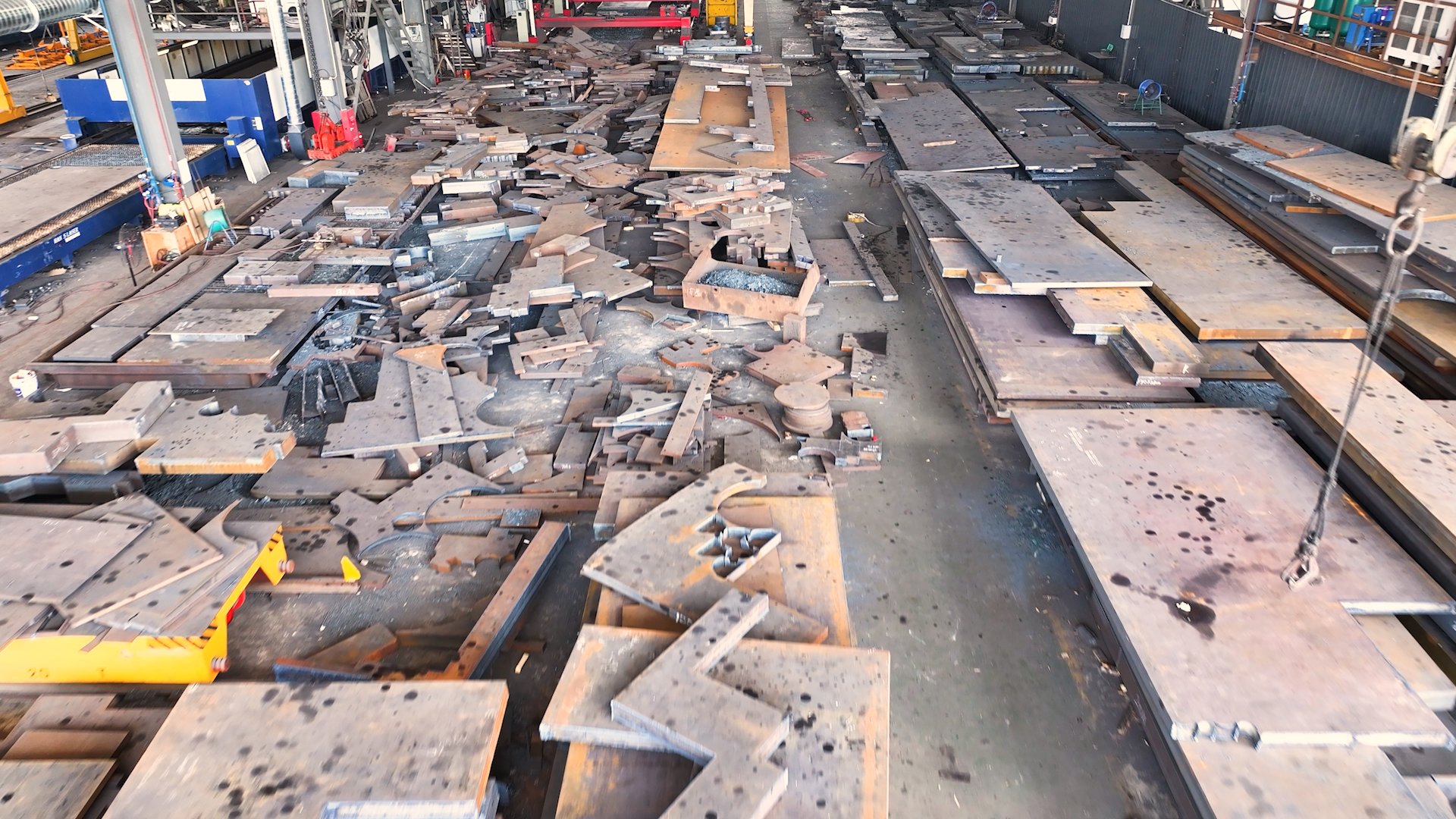
Walking through the workshop, stacks of irregular metal plates can be seen everywhere.These remnants are the result of years of production. While technically reusable, they are rarely used in practice because measuring and preparing them for cutting is extremely time-consuming. The factory manager describes the situation:
“In our workshop, we usually have five hundred to a thousand tons of remnants piled up. They occupy nearly a thousand cubic meters of space.”
The Hidden Cost of Manual Work
Before the introduction of Intelligent Remnant Reuse, remnant processing relies entirely on manual measurement. Operators measure each remnant plate and recreate its shape in the nesting software. The process requires drawing multiple line segments and aligning them precisely. It is slow, complicated, and prone to errors.
“Measuring a single remnant takes nearly two hours,” the manager explains.
Because of the extra effort, many operators prefer to avoid using remnants.
“Our draftsmen and machine operators are very reluctant to use remnants because it greatly increases their workload.”
As a result, the pile of remnants continues to grow. Yet every unused remnant represents lost value. The price difference between a full plate and leftover material can exceed 1,000 RMB per ton.
A New Approach: Intelligent Remnant Recognition and Nesting
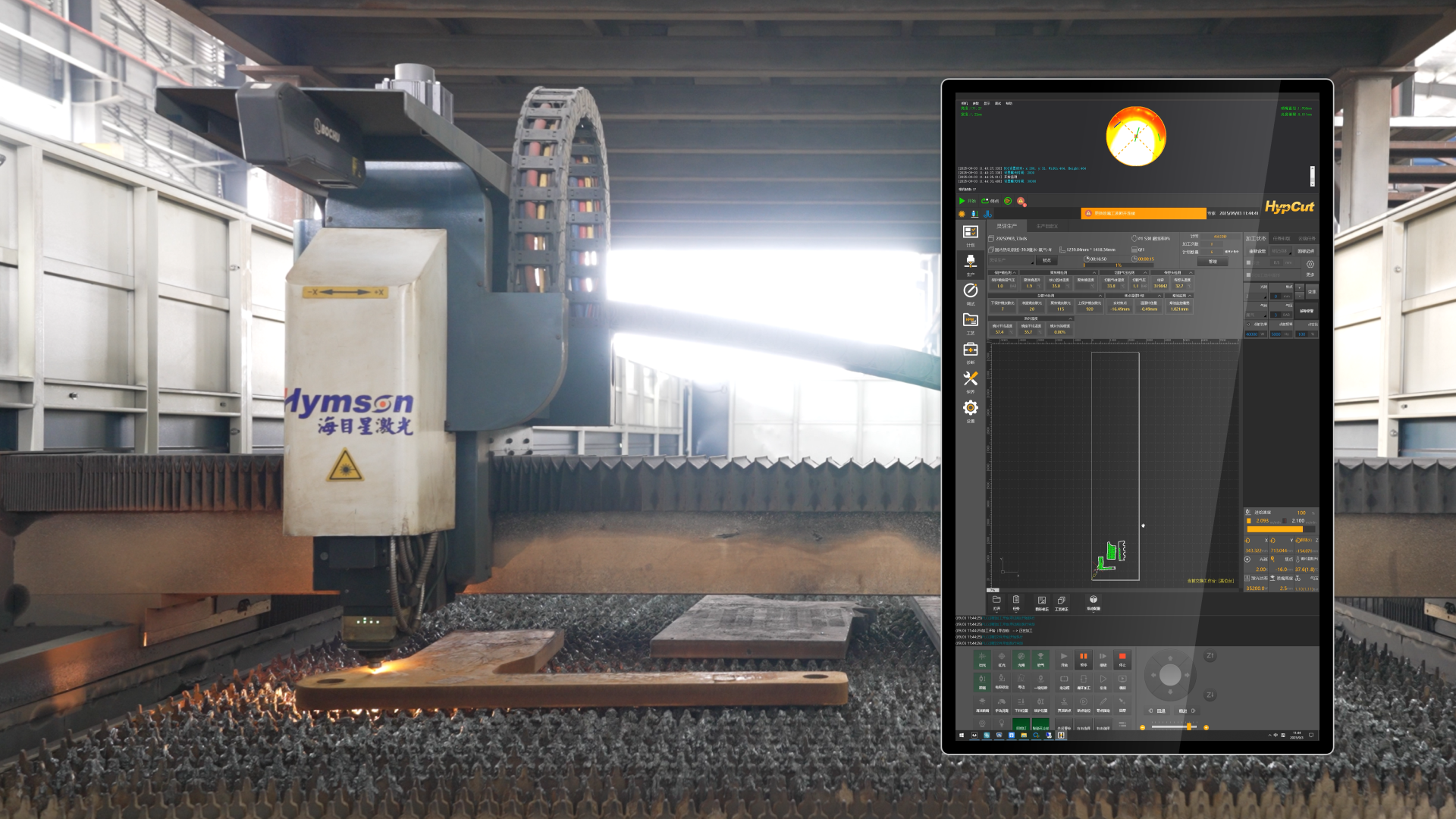
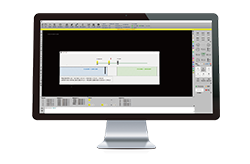
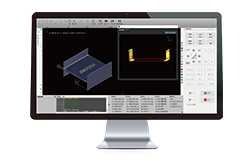
When the factory learns about BOCHU Intelligent Remnant Reuse, it immediately decides to introduce the solution. The system uses intelligent scanning technology to automatically identify the profiles of remnant plates and generate optimized nesting results.
The workflow is simple:
- Place the remnant on the cutting table
- Scan the plate
- Automatically generate the nesting results
- Start cutting immediately
For operators, the process feels no different from cutting a full sheet.
Changing Attitudes on the Shop Floor
The biggest change is not only technical — it is behavioral. Operators who previously avoid remnants now find the process easy and efficient.
“Now we only need to scan the remnants. The system automatically generates the nesting results and we can start cutting immediately, just like processing full sheets.”
The resistance that once exists in the workshop gradually disappears.
Turning Waste into Profit
Since introducing Intelligent Remnant Reuse in February, the company processes several hundred tons of remnants.Without the system, only a small portion of these materials is likely to be reused.
“Remnants are waste if they are not used. But once we start using them, they become pure profit.”
Now the factory easily handles remnants of various shapes and sizes. Each reused ton of material generates more than 1,000 RMB in additional profit, while valuable workshop space gradually opens up.
Conclusion
For many manufacturers, remnants are seen as an unavoidable problem.But with the right technology, they become an opportunity. By introducing BOCHU Intelligent Remnant Reuse, this Wuhan factory transforms remnant management from a time-consuming burden into an efficient and profitable workflow. What once fills the workshop as unused scrap now helps drive new value.


